
The V.I.N.E. Initiative
Prevention is more than awareness.
Teaching young people how to recognize trafficking matters. But prevention cannot stop there.
V.I.N.E. – Vulnerability Intervention, Navigation & Empowerment – addresses both trafficking risk and the conditions that can make young people vulnerable to exploitation: unstable housing, economic insecurity, interrupted education, unhealthy relationships, unmet needs, limited employment opportunities, and a lack of trusted support.
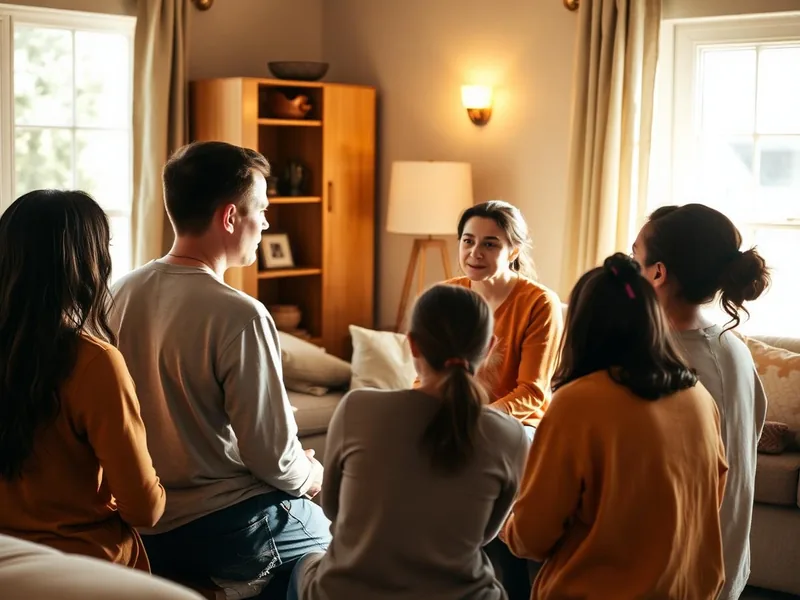
Our philosophy
Address the vulnerability, not just the warning signs.
Youth experiencing housing instability, disrupted education, economic hardship, unhealthy or exploitative relationships, social isolation, unmet basic needs, or a lack of trusted adults may face increased vulnerability to exploitation.
So V.I.N.E. combines education and awareness with practical supports that strengthen safety, stability, relationships, education, employment, and economic independence — building the protective factors that keep exploitation from taking root in the first place.
Awareness opens eyes. Stability changes outcomes.
Who we serve
Two pathways, one commitment.
Residential
STRTP — girls ages 11–18
Our planned specialized Short-Term Residential Therapeutic Program serves girls ages 11–18, including youth who have experienced trafficking or commercial sexual exploitation, and youth the Court has identified as survivors or at heightened risk.
- 24-hour trauma-responsive residential care
- Therapeutic services and case management
- Prevention and safety education woven into daily life
- Transition planning back to family or independent living
Community-based
V.I.N.E. services — girls & young women 15–25
Community-based V.I.N.E. services reach girls and young women ages 15–25 outside the residential setting — including trafficking and CSEC populations, and labor trafficking survivors as appropriate to the specific service.
- Prevention workshops in schools and community settings
- Targeted, individualized barrier-removal support
- Specialized intervention for trafficking survivors
- Education and workforce pathways through The Vision Studio
The conditions we address
What makes young people vulnerable.
Exploitation rarely begins with a stranger in a dark alley. It begins with a need — and someone positioning themselves as the answer to it.
- 01Housing instability
- 02Economic insecurity
- 03Disrupted education
- 04Unhealthy or exploitative relationships
- 05Social isolation
- 06Unmet basic needs
- 07Limited employment opportunities
- 08Lack of trusted adults
How V.I.N.E. responds
One progression, from risk to long-term stability.
Prevent
Education and awareness that helps young people recognize risk before exploitation begins.
- Trafficking awareness — sex and labor trafficking
- Grooming, recruitment & coercion education
- Healthy relationships, boundaries & consent
- Online and social-media safety
- Safety planning
Protect & heal
Safety and trauma-responsive care for youth who have experienced exploitation or are at heightened risk.
- STRTP Healing Homes with 24/7 trauma-responsive care
- Trauma-informed therapeutic services
- Safety planning and individualized support
- Medi-Cal and community behavioral-health partners
- Trusted adults and consistent mentorship
Build
Education, credentials, and legitimate income — the protective factors awareness alone can't provide.
- The Vision Studio — education & career pathways
- Industry credentials and paid apprenticeships
- Employment support and workplace readiness
- Financial literacy and capability
- Barrier removal — transportation, documents, basics
Thrive
Long-term stability through relationships and opportunity that outlast the program.
- Transition planning for adulthood
- Economic stability and housing readiness
- Alumni support that stays connected
- Continued education and employment
- Long-term supportive relationships
A youth may enter at any stage — prevention education, residential care, or a community workshop — and the continuum carries them the rest of the way.
Two prevention pathways
Education woven into care — and education that reaches the community.
Pathway 1 · STRTP
Prevention & intervention education in the home
Prevention education is incorporated into the residential program rather than delivered as a single awareness presentation. Programming is trauma-informed, developmentally appropriate, and individualized — youth are never required to disclose experiences in a group setting.
- Grooming, recruitment, coercion, and manipulation
- Sex and labor trafficking · CSEC awareness
- Healthy versus exploitative relationships
- Boundaries and consent
- Online and social-media safety
- Financial exploitation
- Recognizing unsafe situations
- Safety planning
- Identifying trusted adults and support systems
- Help-seeking and community resources
- Self-advocacy and decision-making
- Healthy coping and resilience
Pathway 2 · Community
Human Trafficking Awareness & Prevention Workshop Series
A workshop series built to reach youth and young adults outside the STRTP — in schools, foster-youth programs, child-welfare agencies, juvenile-justice programs, and youth-serving nonprofits. It meets three levels of need:
- 01
Early prevention
Workshops on grooming, recruitment, healthy relationships, online safety, sex and labor trafficking, exploitation, boundaries, and where to seek help — for any young person in the room.
- 02
Targeted prevention
Youth with elevated vulnerabilities receive individualized assistance addressing barriers: education, employment, transportation, financial instability, supportive relationships, and preparation for adulthood.
- 03
Specialized intervention
Youth and young adults who have experienced trafficking are connected to individualized services, therapeutic and community resources, education and workforce opportunities, and safety planning.
The Vision Studio connection
Legitimate income is prevention.
The Vision Studio addresses vulnerabilities that awareness education alone cannot solve. For trafficking survivors and youth at heightened risk, access to education, career opportunities, a paycheck they earn, trusted adults, and a realistic plan for adulthood strengthens protective factors and reduces the risk of exploitation or revictimization.
- 01Education
- 02Career Development
- 03Employment
- 04Credentials
- 05Financial Capability
- 06Transportation & Barrier Removal
- 07Supportive Relationships
- 08Long-Term Planning
The VVF continuum
Recognize risk. Build safety. Thrive.
- 1Recognize Risk
- 2Build Safety
- 3Stabilize
- 4Heal
- 5Learn
- 6Earn
- 7Transition
- 8Thrive
Partners, referrals & getting involved
Prevention takes a whole community.
County agencies
Child Welfare and Probation placement units, CSEC programs, and juvenile-justice partners — referral criteria and bed availability available on request.
Schools & districts
Bring the trafficking awareness and prevention workshop series to your students — during school, after school, or as part of foster-youth programming.
Behavioral-health providers
Coordinate trauma-informed therapeutic services for youth in our residential program and community-based participants.
Employers
Host paid apprenticeships and entry-level roles through The Vision Studio — legitimate income is one of the strongest protective factors we can offer.
Community organizations
Co-deliver prevention workshops, refer young people to targeted prevention services, and extend the safety net together.
Volunteers & donors
Mentors, workshop helpers, and financial supporters keep prevention programming free for the young people who need it.
Refer a young person, host a workshop, or join the work.
Whether you're a county partner, educator, provider, employer, or neighbor — there's a place for you in prevention.